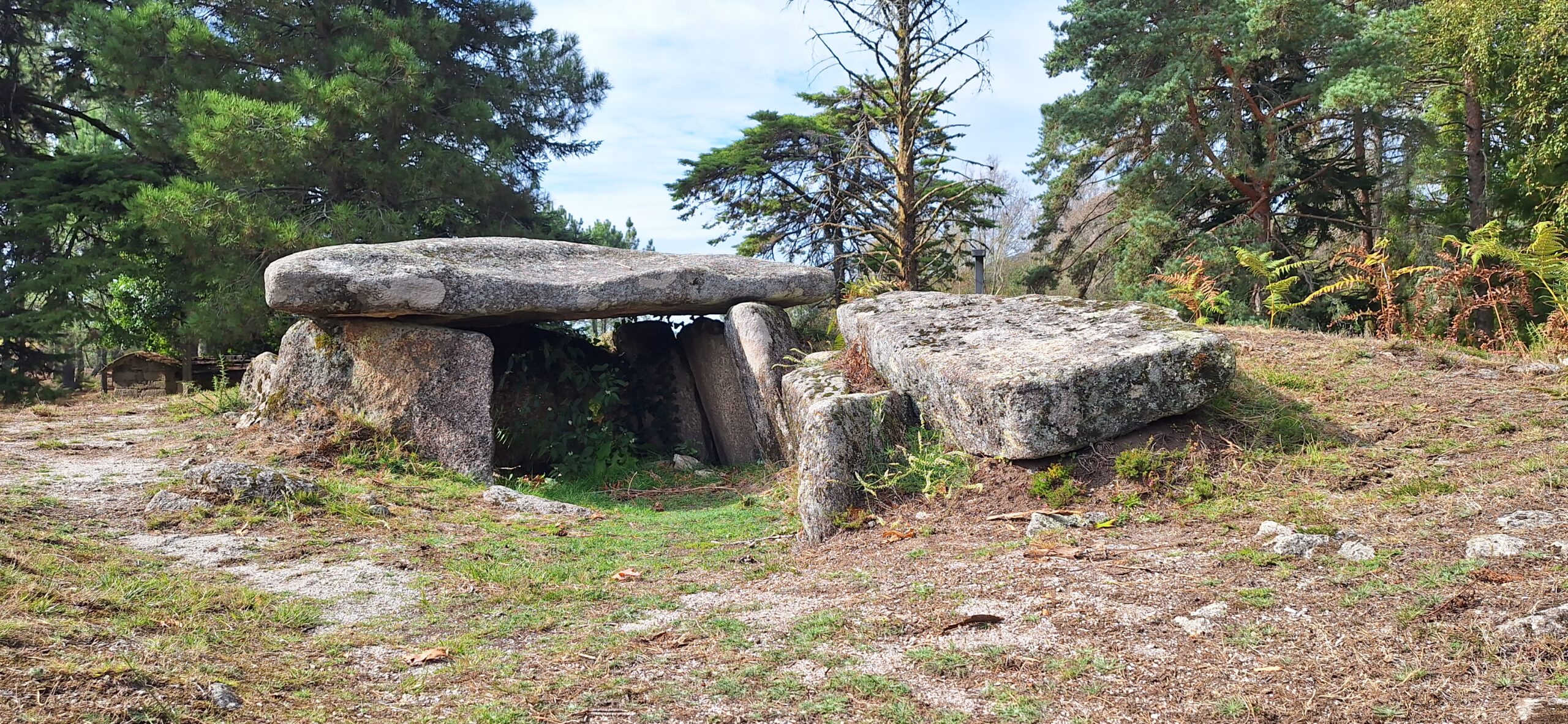
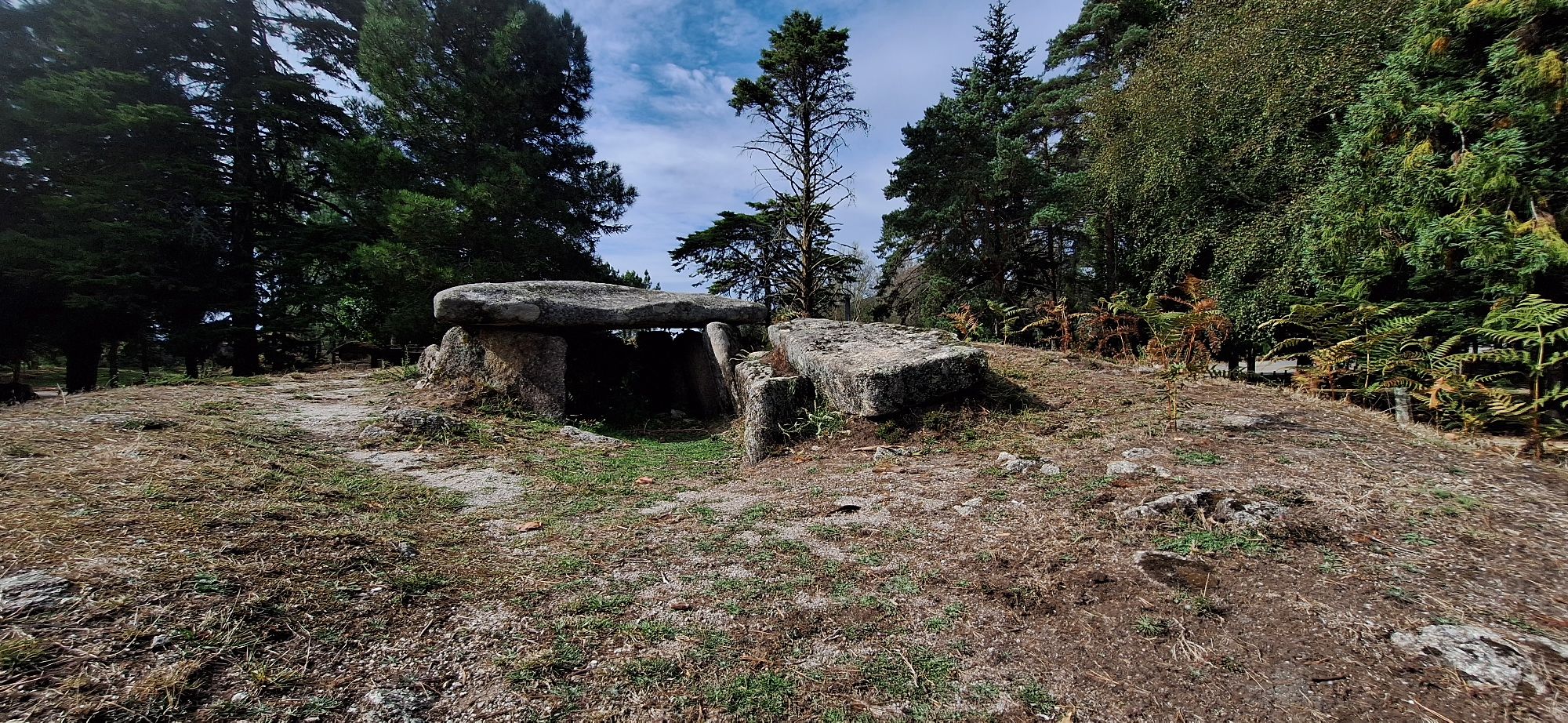
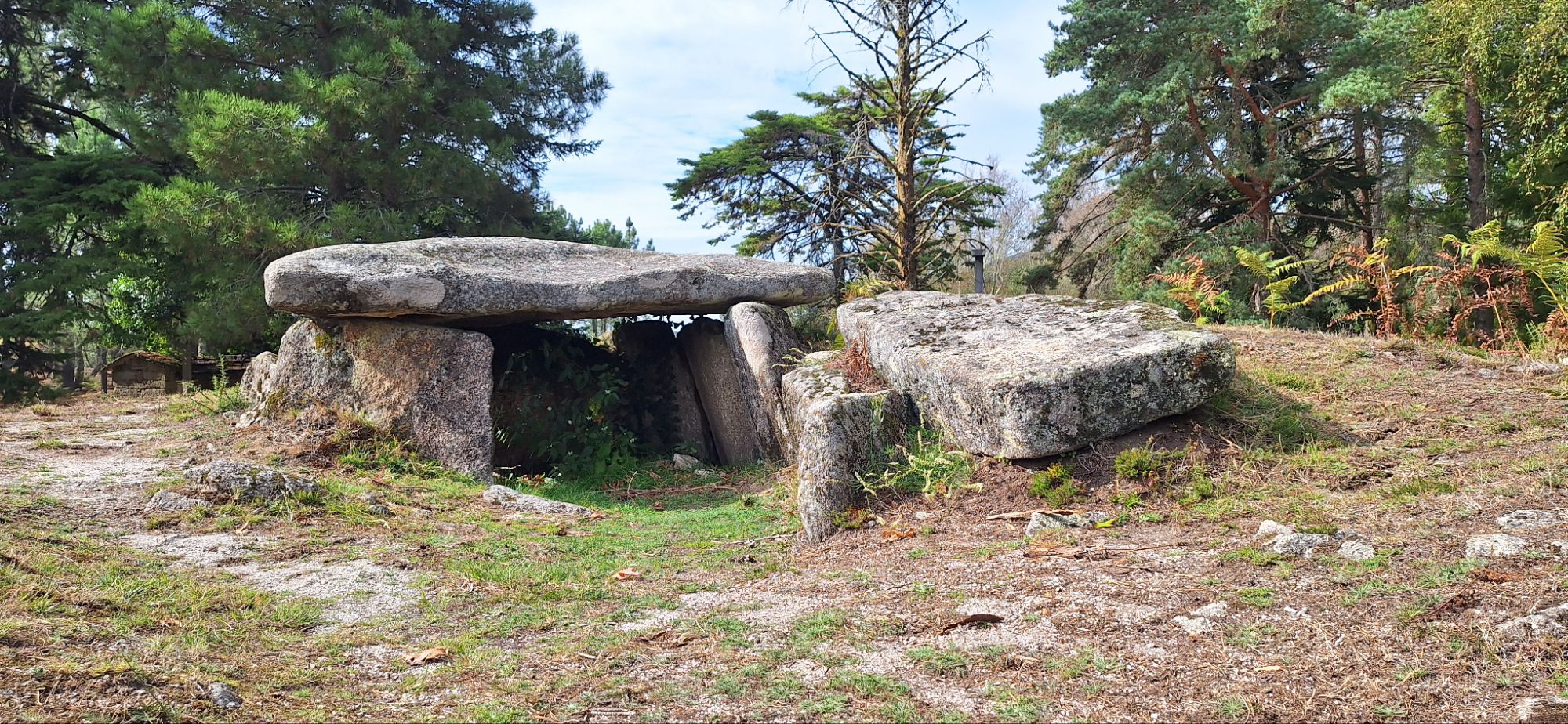
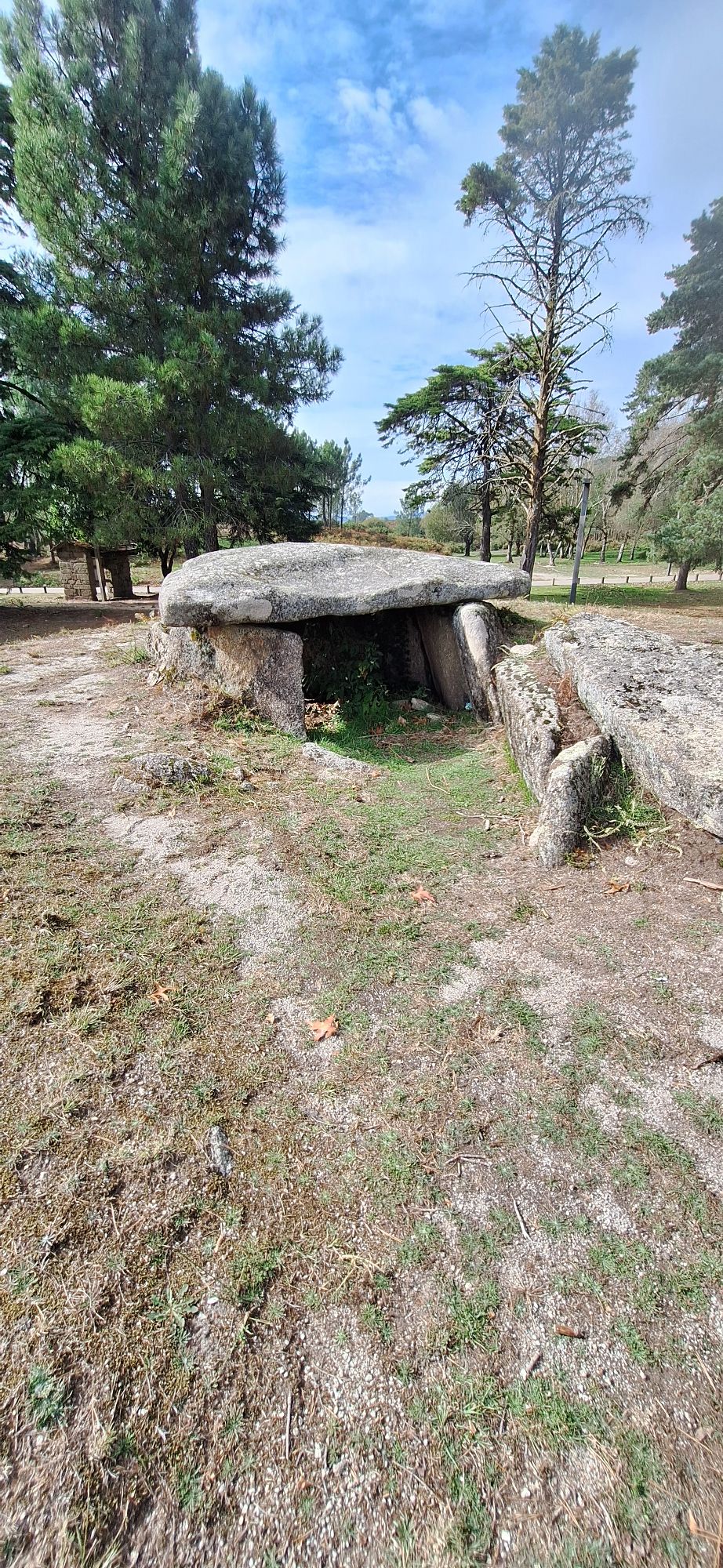
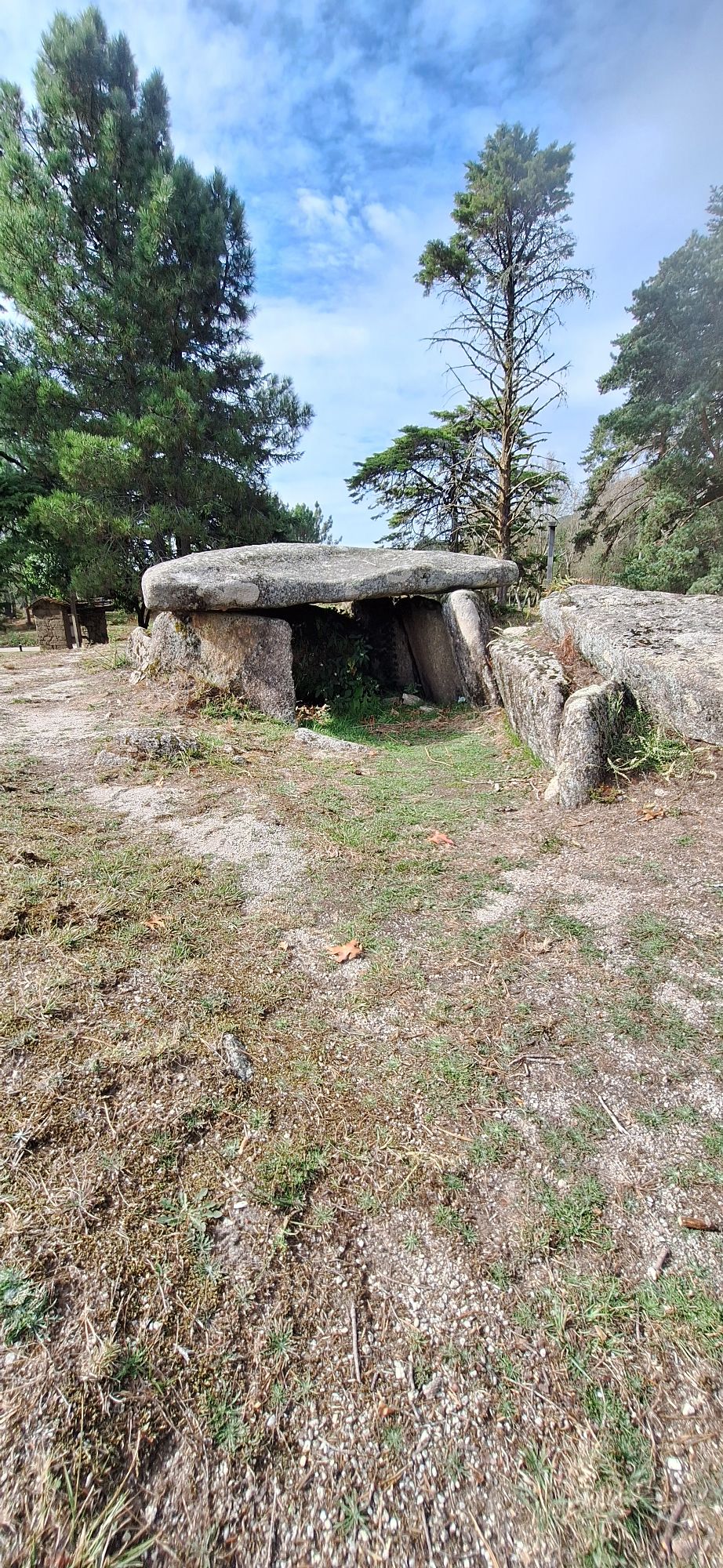
From the Gerês side of the park we kept driving north, up into the Serra do Soajo, to see one of the oldest things you can visit in Peneda-Gerês: the megalithic burial mounds of Mezio. Our photos show the best-known one, a low table of granite slabs standing in a clearing among pines, ferns and bracken.
The park and the drive
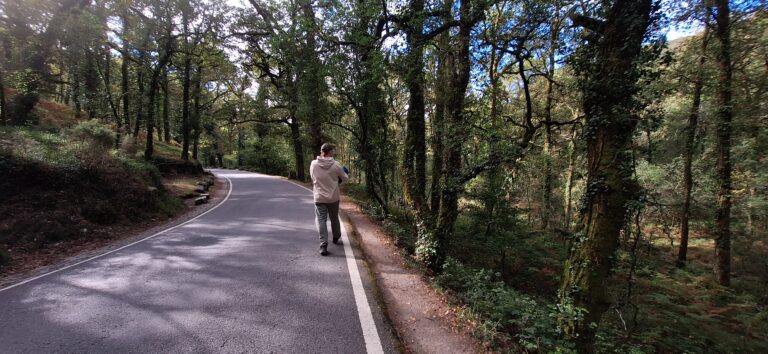
Peneda-Gerês is Portugal’s only national park, created in 1971 on the Spanish border (Wikipedia). Mezio sits in the Serra do Soajo, in the municipality of Arcos de Valdevez, on the road to the granite village of Soajo. The park has five official entrance gates, and the Porta do Mezio is one of them (All About Portugal). The roads are narrow and winding, so allow more time than the map suggests.
The Mezio megalithic site
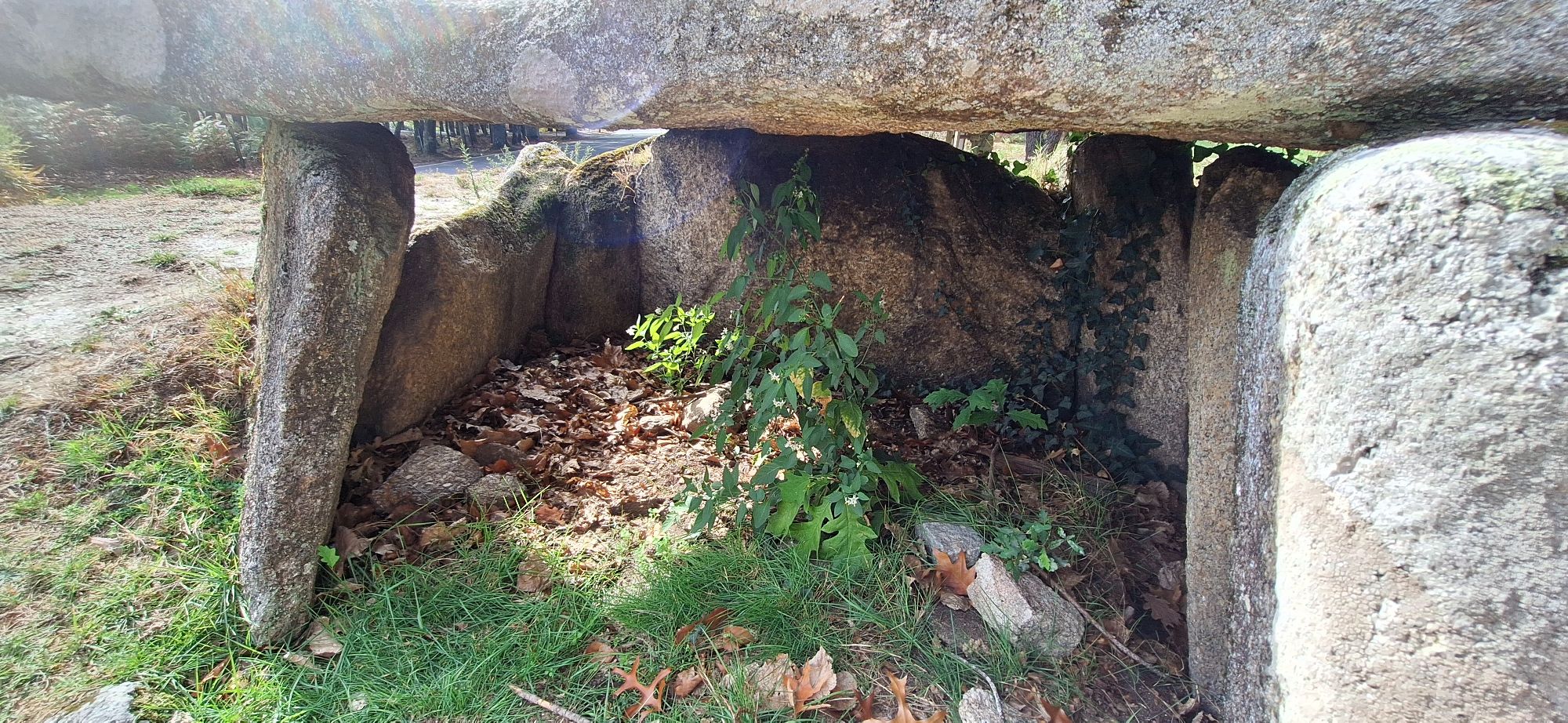
According to Visit Portugal, the Núcleo Megalítico do Mezio is a group of about a dozen prehistoric funerary monuments spread over a mountain plateau, roughly 5,000 years old. The best known is labelled “Mamoa 3” and is usually called the Mezio dolmen: it still has remnants of its earth mound and a well-preserved burial chamber. Excavations recovered a good number of grave goods and also recorded damage from vandalism over the millennia, and an information panel on site explains the excavated monuments.
Lore and alternative readings
I could not find a legend tied specifically to Mezio, so I will not invent one. What I can say is that northern Portugal has a rich tradition of mouras encantadas, “enchanted Moorish maidens” said to guard treasure and sacred places such as springs, caves and old stones, and ancient monuments in the north are often woven into those tales (Wikipedia: Enchanted moura). Ask locally: that is where a Mezio story would be found.
Among alternative researchers, Freddy Silva is the best-known voice on Portuguese megaliths. In his documentary Megalith he compares sites in central Portugal, Brittany, Scotland and southern England and argues for common threads in stone choice, construction and folklore, and for links to gravity anomalies, electromagnetism and fault lines. He also leads tours of Portuguese megalithic and Templar sites (Gaia, Sacred Earth Journeys). I found nothing in which he writes about Mezio itself, and these are popular, non-academic interpretations that mainstream archaeology does not endorse; I mention them as one way of looking at the stones.
Hiking and camping
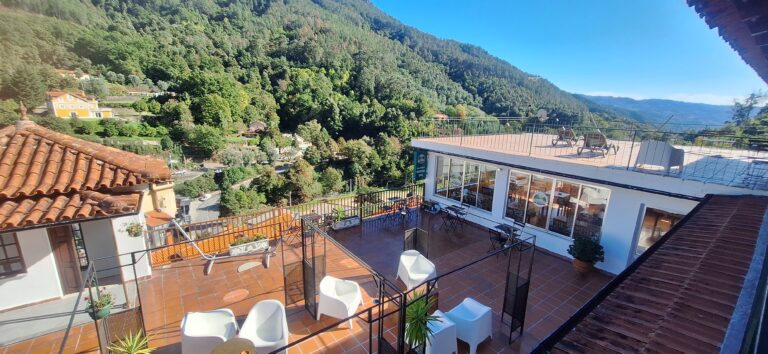
There is plenty to do on foot or by bike around here. Soajo’s famous granite granaries are close by, and the nearby Melgaço and Castro Laboreiro side of the park has marked walking, trail-running and mountain-bike routes (Discover Melgaço). For sleeping, the Porta do Mezio entrance complex, run by the regional development association ARDAL, is reported to combine an adventure park, a bird observatory, a swimming pool, a restaurant and a campsite on about three hectares (All About Portugal). I found no current opening times or prices, only a 2016 figure of €3 per person, so check before you go; there is also a campsite at Travanca, near Soajo.
Find it on the map: Núcleo Megalítico do Mezio, Arcos de Valdevez.